January 9th - March 1st, 2026
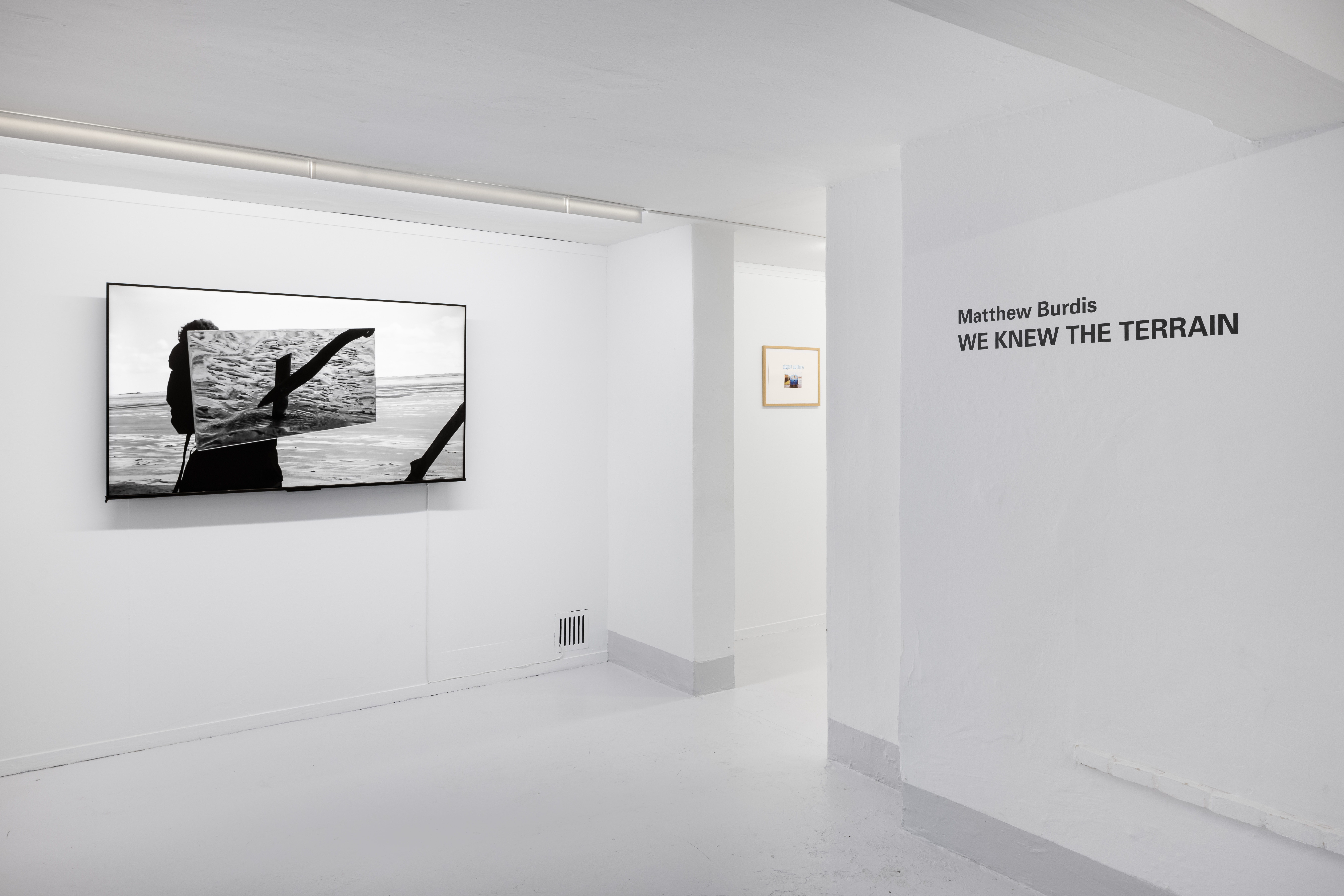
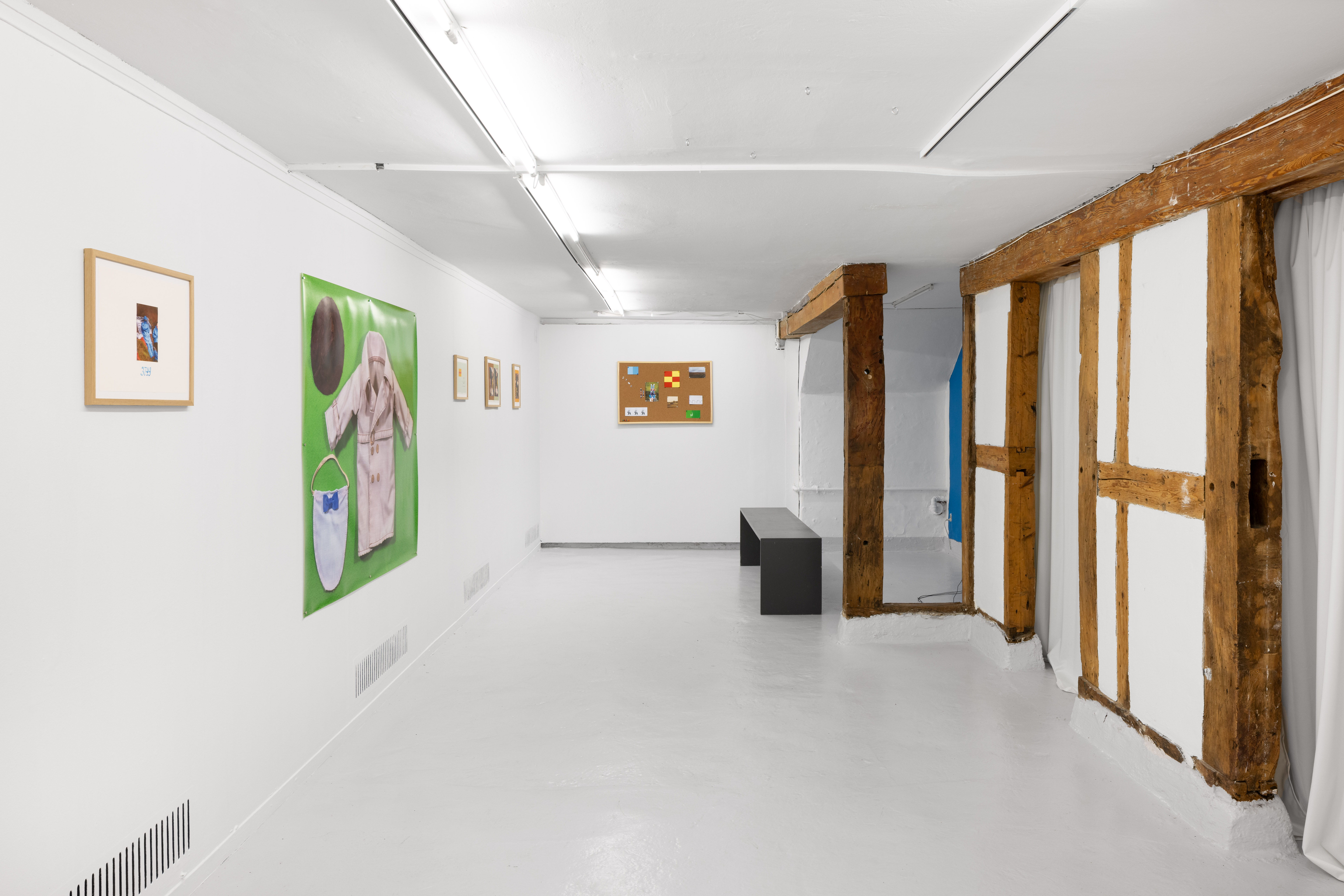
Galleri Image presents the exhibition We Knew the Terrain by Matthew Burdis. The exhibition brings together three moving image works that consider the significance of landscape in politics, media, and memory. Made over a period of ten years, each film centres on a location in Northumberland, the northernmost county in England.
The exhibition title comes from a line in the film Hinter: An Apocalypse, 2026. The film was written by Rachel Chanter, narrated by Claire Rodgerson (The Old Oak), with an original score by Barry Hyde (The Futureheads).
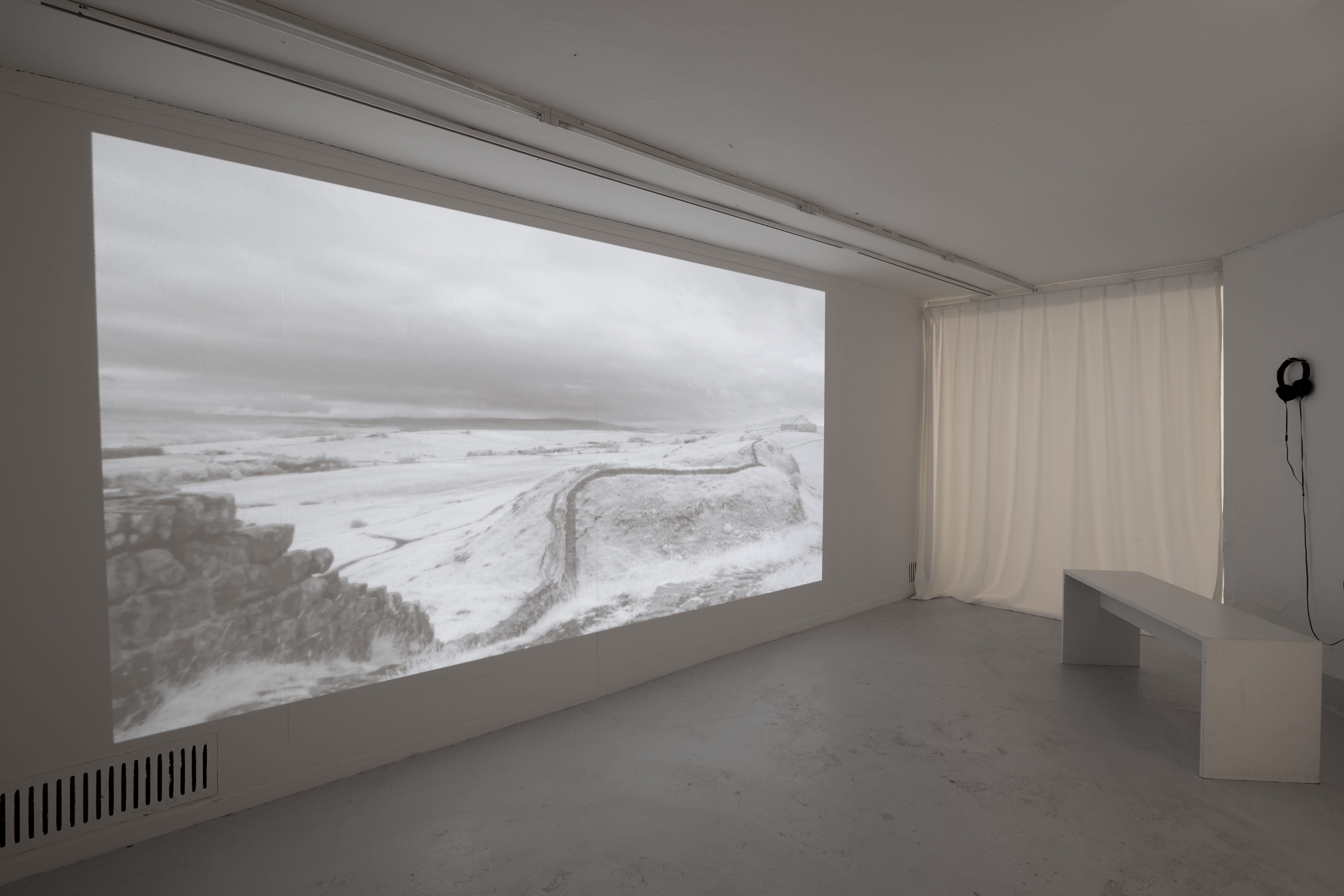
Hinter is a film rooted in the history, both recent and ancient, of the area surrounding Hadrian’s Wall in Northumberland, UK. Questioning the nature of enclosure and land ownership, the piece traces a common thread of human self-destruction from the colonial project, stretching back to the Roman Empire, to the acts of ecological vandalism that take place on both large and small scales in the present day.
Burdis and Chanter walked the stretch of Hadrian’s Wall, where the famous Sycamore Gap tree stood, just four days before it was cut down with a chainsaw on the night of September 27th 2023. The shocking and mysterious felling of the tree made international news and opened up a conversation about the nature of the crime that had been committed, raising issues of ownership, ecocide, and the legal status of the natural world.
The film attempts to process and distil the cacophony of public anger, confusion, and mourning that greeted the felling of the Sycamore Gap tree, and to draw out the symbolism and significance of this act of ecological vandalism in a world on the brink of climate collapse. Referencing the most famous depiction of the tree as the ‘Robin Hood tree’, after its appearance in the 1991 film Robin Hood: Prince of Thieves, Hinter engages with the way that media colonises the world around us, overwriting the landscape with new histories.
Seeking to encapsulate this quiet landscape that is at the same time a teeming repository of stories, violence, politics, and existential lessons, Hinter functions as both an elegy for an ancient tree and a protest against human greed and abuse of power.
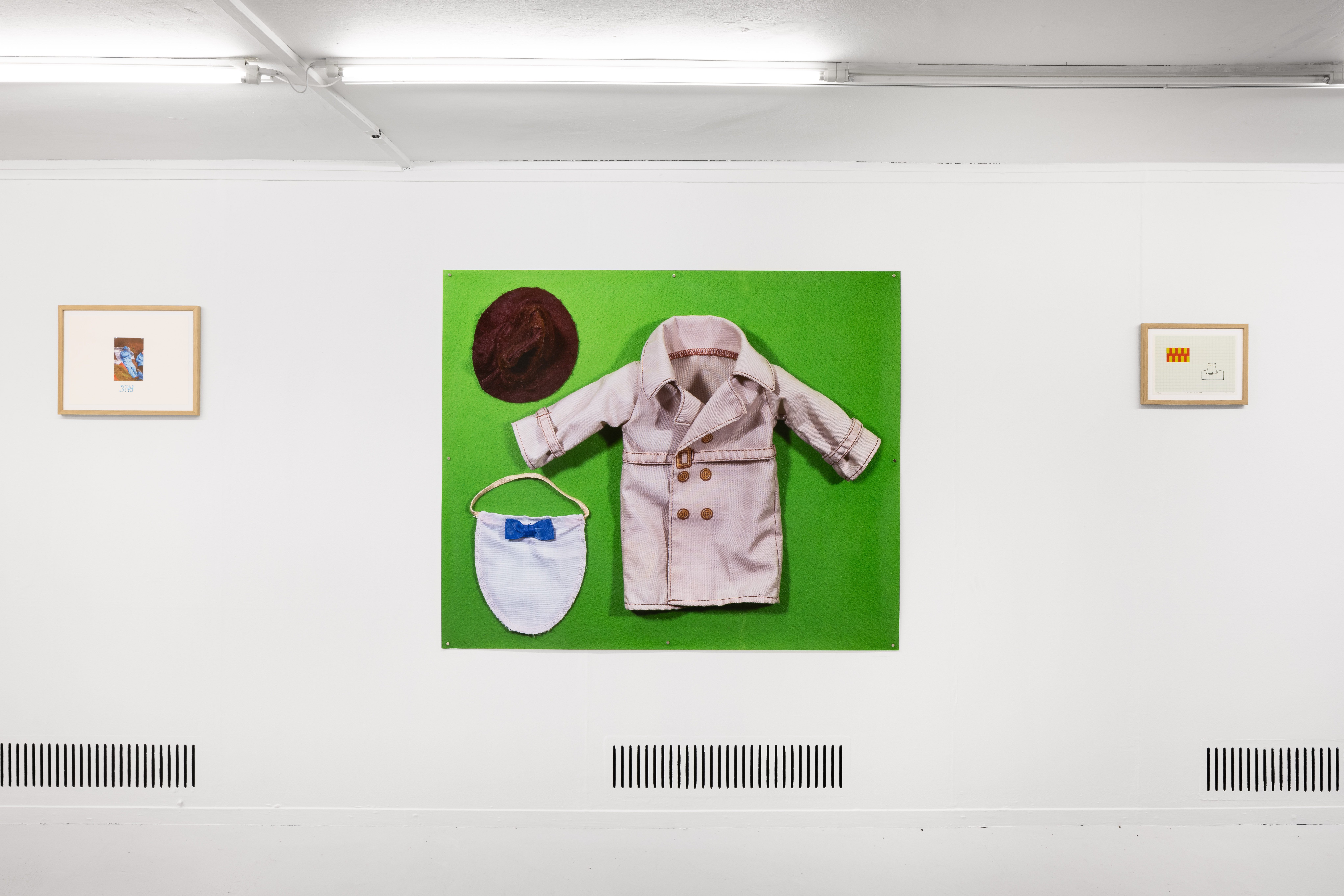
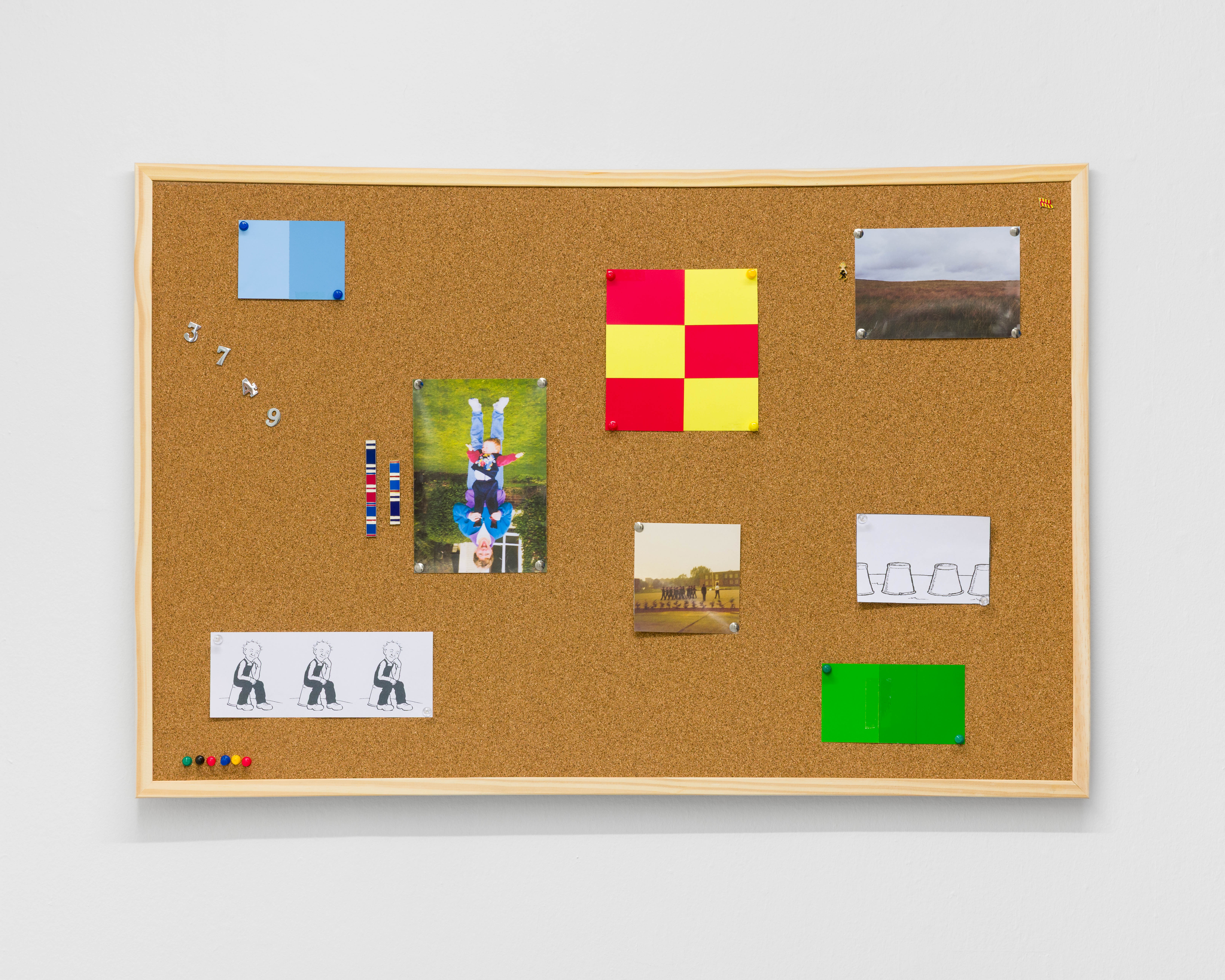
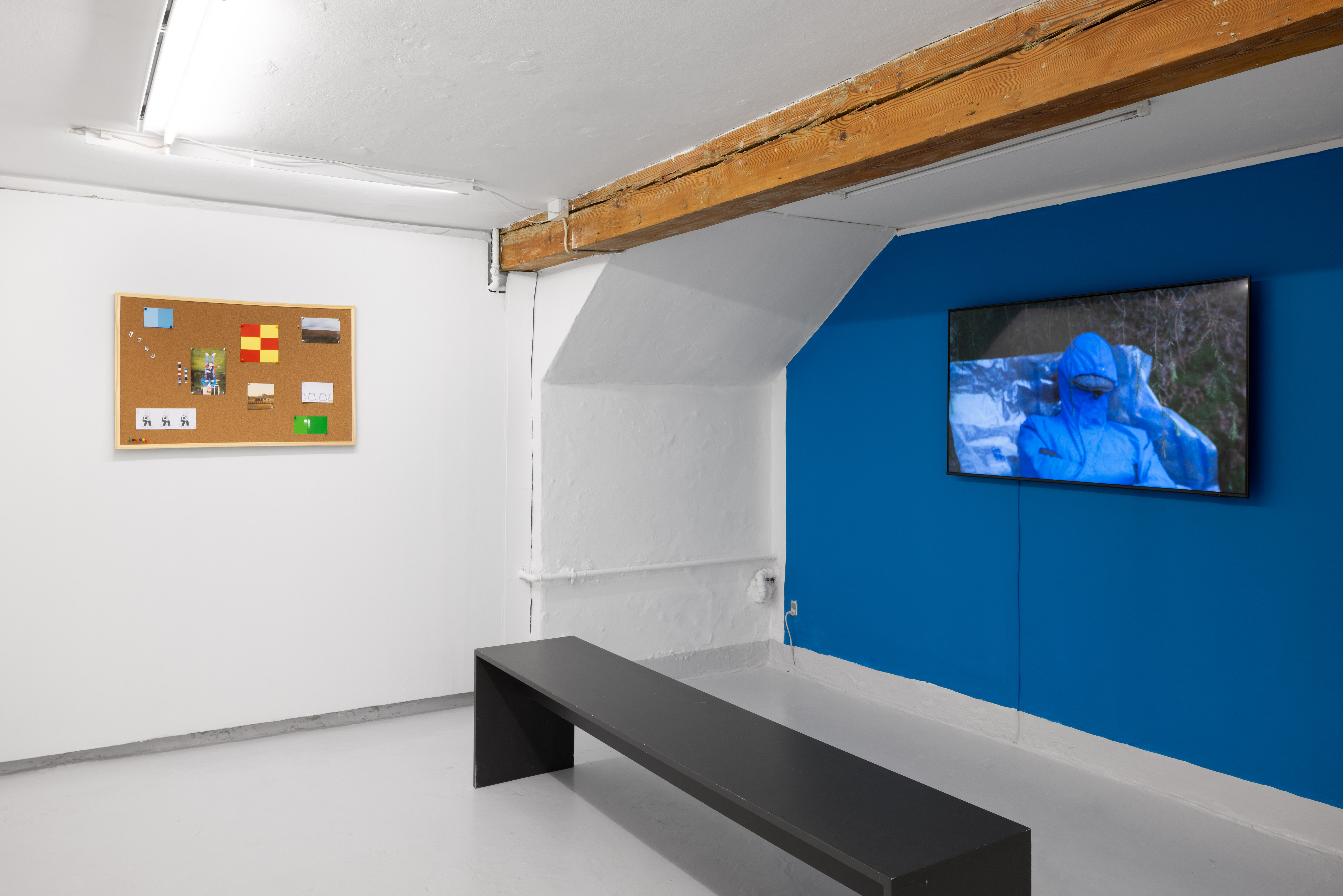
In Zipped Up Blues, which in addition to a film also incorporates objects and photographic works, centres Burdis’ father, Alan Burdis, recalling his memories of searching for the wreckage of Pan Am Flight 103, after the aeroplane was destroyed by a bomb during its scheduled flight on December 21st, 1988, often referred to as the Lockerbie bombing. The heavy wreckage landed in Lockerbie, but the remaining wreckage covered an area of 850 square-miles, including the Northumbrian fells. Burdis’ father was part of the Northumbria Police Special Patrol Group that spent just over one month searching these fells.
In Zipped Up Blues, searching takes various forms: the physical police procedural search for potential threats and evidence; the artist’s search through digitised analogue photographs from his own childhood, and the artist’s father following his memories into areas that have remained locked for decades.
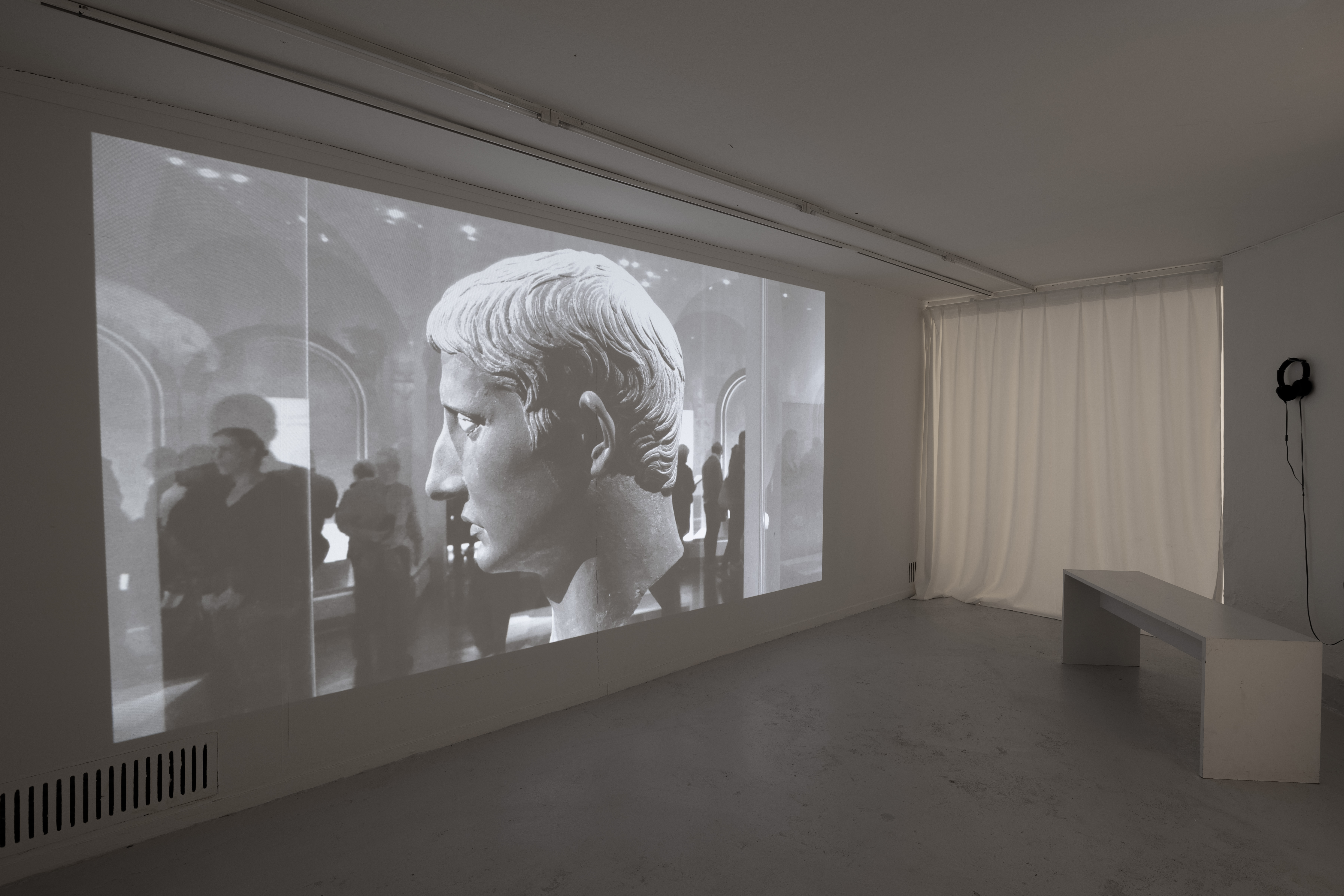
The exhibition also includes the first moving image work made by the artist, Lindisfarne One One. It is a silent, black and white, digital film shot on the tidal island of Lindisfarne, Northumberland. The film deals with personal and historical loss, reflecting on the intersection of first-hand memories of the island and its representation in cinema.
Installation photographs by Mikkel Kaldal.